
Mostrar mensagens com a etiqueta apúlia. Mostrar todas as mensagens
Mostrar mensagens com a etiqueta apúlia. Mostrar todas as mensagens
6 de junho de 2012


5 de junho de 2012


22 de fevereiro de 2012
Received Postcards since 07/01/2012

DE-1179328 - Germany

FI-1298506 - Finland

NL-960712 - Netherlands

NL-1046660 - Netherlands

RU-710765 - Russia

BY-344516 - Belarus

GB-295330 - Great Britain

DE-1249914 - Germany

FI-1338641 - Finland

FB Swap - Philippines

Walltype - Germany
6 de janeiro de 2012
N.º 49 - CH-97261 - Switzerland, from PaulaB

CH-97261 - Switzerland, from PaulaB, Sent 29/12/2011, Received 06-01-2012, 8 Days, Distance: 1,521 km
4 de janeiro de 2012


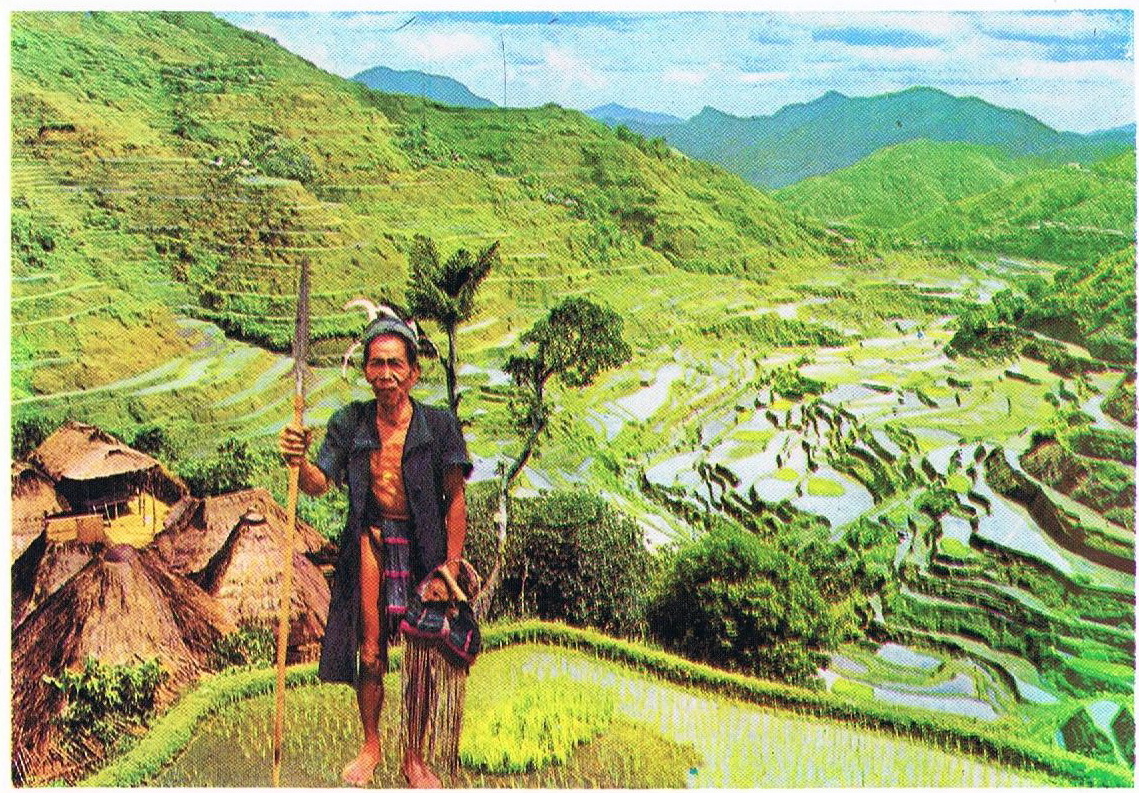

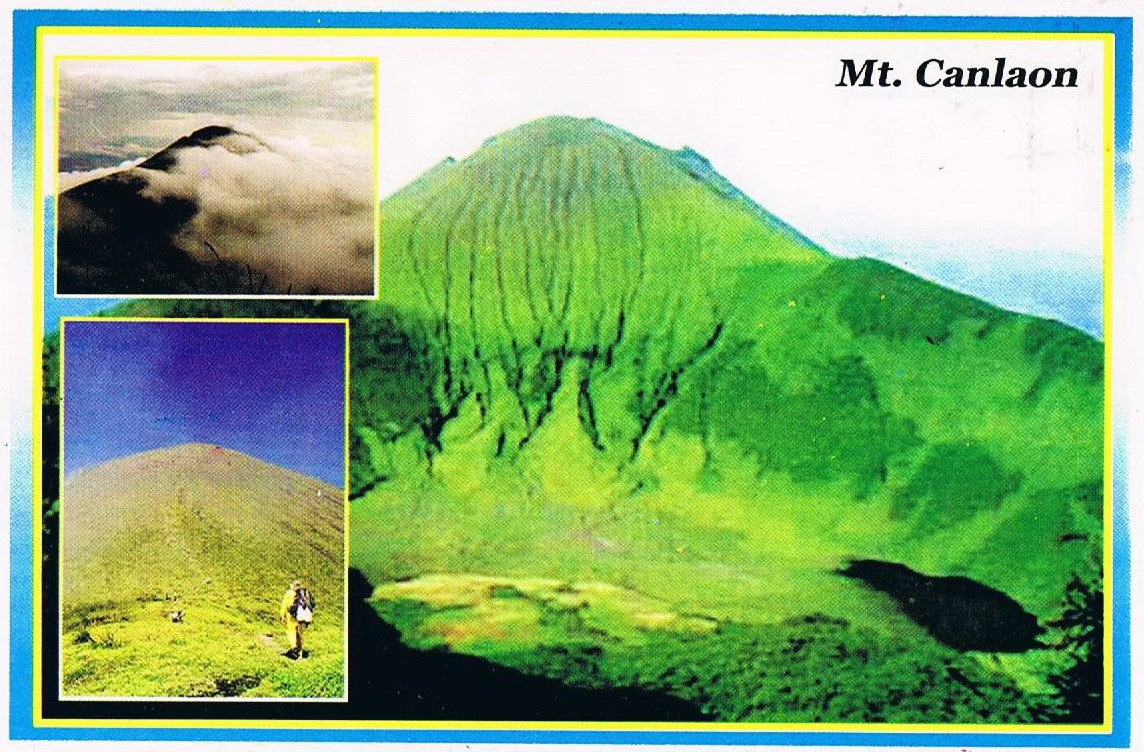
N.º 41 - PH-32250 - Philippines, from JudyS

PH-32250 - Philippines, from JudyS, Sent: 11/12/2011 Received: 04/01/2012 Distance: 11,934 km
3 de janeiro de 2012

2 de janeiro de 2012

29 de dezembro de 2011

N.º 37 - KR-27549 - Korea (South), from happypjhk

KR-27549 - happypjhk - Korea (South) - 10493km - 32 days
27 de dezembro de 2011
N.º 36 - US-1440818 - USA, from Faruk1959

US-1440818 - U.S.A., from Faruk1959
::::::::::::::::::::::::::::::::::::::::::::::::::::::::::::::::::::::::::
Description Later
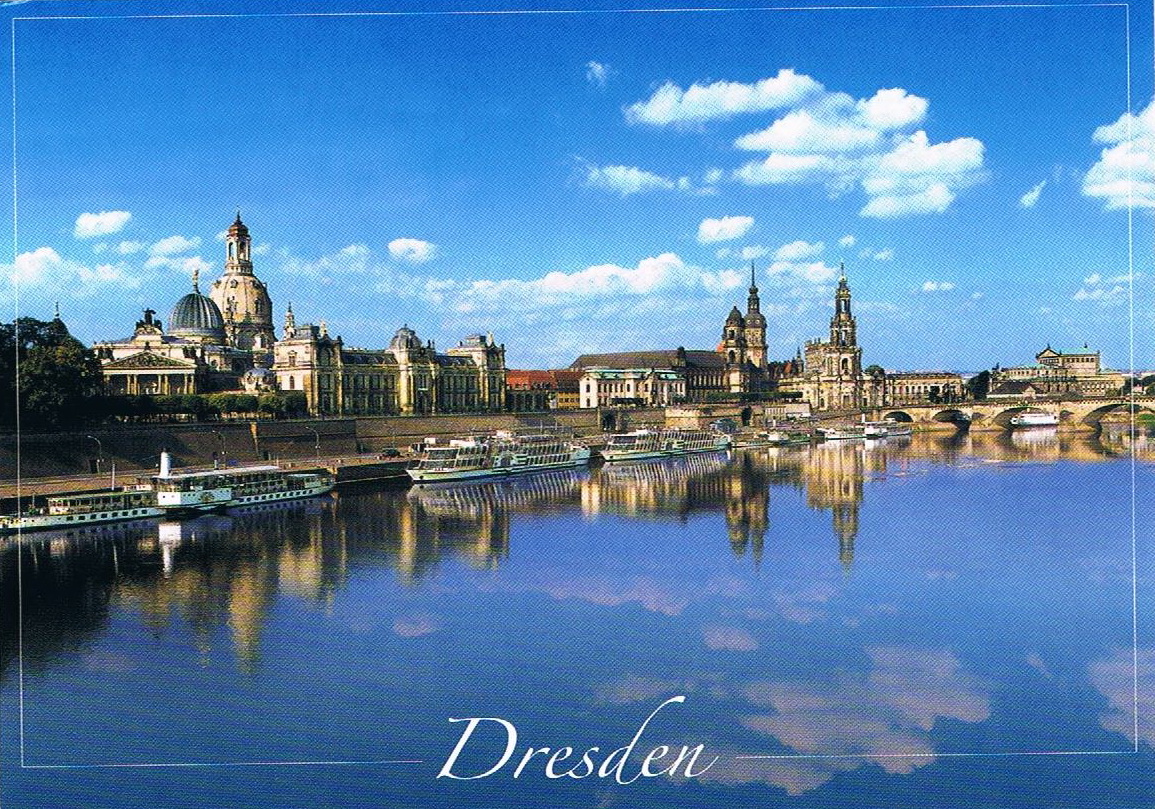
N.º 35 - Walltype Postcard, from Dresden, Germany
::::::::::::::::::::::::::::::::::::::::::::::::::::::::::::::::::::::::::
Description Later
22 de dezembro de 2011
N.º 33 - Facebook Swap – Jenni, from Spain

Received
in 19-12-2011
Facebook
Swap – Jenni, from Spain
Gran
Canaria
Gran Canária (também Grã-Canária ou
Grande-Canária) é uma das principais ilhas do arquipélago das Canárias, com
uma superfície de 1.560 km² e uma população de 802.247 habitantes (ISTAC,
2005). A ilha é de origem vulcânica, construída em torno de um estratovulcão
complexo, atingindo a sua máxima altitude (1.949 m) no Pico de Las Nieves. De
forma quase circular, a ilha tem cerca de 500 km de costas. Aquando da
conquista castelhana (1496), a ilha era habitada por um dos povos guanches,
que a denominavam de Tamaran. A capital da ilha (sede do cabildo) é a cidade
de Las Palmas (378.628 habitantes em 2005), que também é capital de província
e co-capital das Canárias. É a segunda ilha mais povoada das Ilhas Canárias
(após Tenerife) e a terceira maior do arquipélago (depois de Tenerife e
Fuerteventura).
|
Received
in 19-12-2011
Facebook
Swap – Jenni, from Spain
Gran Canaria
Gran Canaria is one of the main islands of the Canaries, with an area of 1,560
square kilometers and a population of 802,247 inhabitants (ISTAC, 2005). The island
is of volcanic origin, built around
a complex stratovolcano,
reaching its highest altitude (1,949
m) in the Pico de
las Nieves. In quasi-circular
shape, the island has about 500 km of coastline. When the Castilian conquest (1496),
the island was inhabited by a people Guanches, which they called the Tamaran.
The island's capital (seat of the
cabildo) is the city of Las Palmas (378 628 inhabitants
in 2005), which is also the provincial
capital and co-capital of the
Canaries. It is the second
most populated island of the Canary
Islands (after Tenerife)
and the third largest in the archipelago (after Tenerife and
Fuerteventura).
Fonte
/ Source: wikipedia
|
N.º 32 - RU-668317 - Russia, from Valeria1
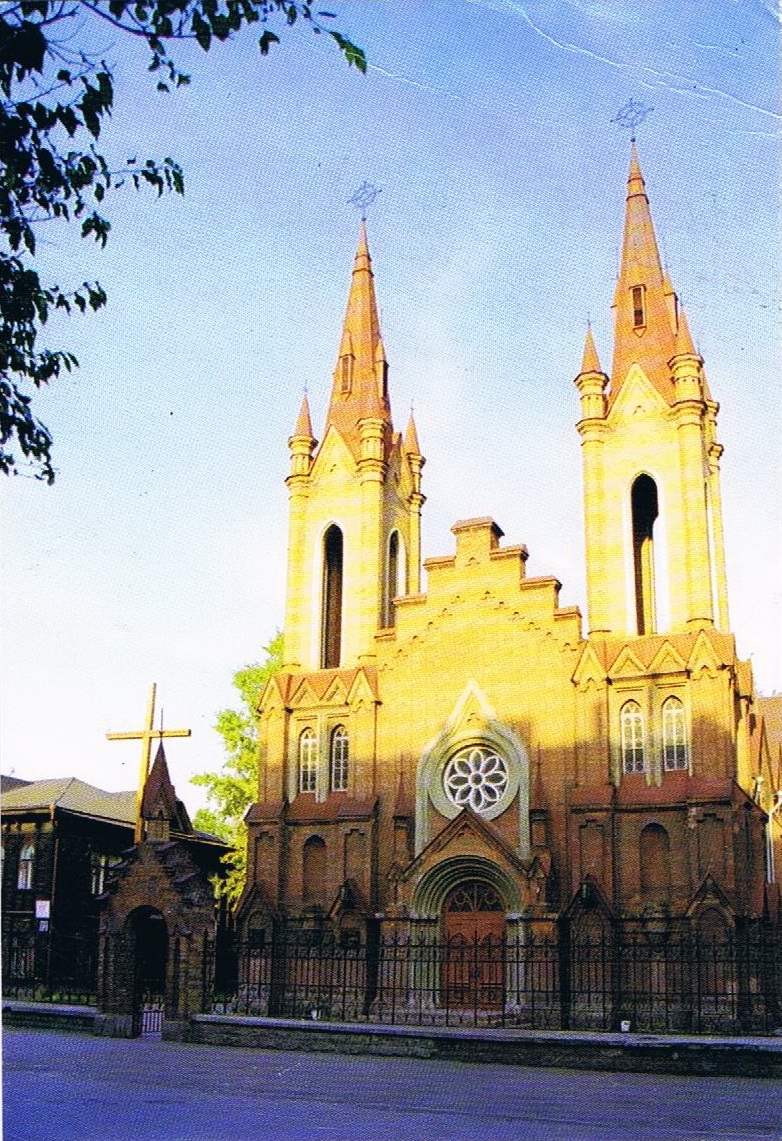
Catedral Católica de Krasnoyarsk, Russia
A primeira
paróquia católica em Krasnoyarsk, uma cidade na Sibéria central, foi fundada
em 1836. A igreja construída no início do século 20 serviu 2.500 paroquianos na
cidade de Krasnoyarsk, e um número estimado de 20 mil católicos na região. Durante
o regime soviético, a situação dos fiéis mudou drasticamente. Quando o último
padre católico foi morto numa prisão Krasnoyarsk em 1938 ea Igreja Católica fechada,
um comitê de rádio ocupava o edifício. Mais tarde foi usado como um complexo
de cinema. Um órgão foi instalado na década de 1980, eo edifício tornou-se uma
sala de concertos. Até hoje, o edifício da Igreja continua a ser usado como uma
sala de concertos, a paróquia aluga tempo de serviços. Atualmente centenas de
paroquianos freqüentam regularmente esta freguesia da Transfiguração. Padres claretianos
também servem uma segunda paróquia, Sagrada Família, bem como diversas
missões periféricas.
|
Catholic
Cathedral of Krasnoyarsk, Russia
The
first Roman Catholic parish in Krasnoyarsk, a city in central Siberia, was
founded in 1836. A church built in the early 20th century served 2500
parishioners in the city of Krasnoyarsk, and an estimated 20,000 Catholics in
the region. Under the Soviet regime, the situation of the faithful
changed drastically. When the last Catholic priest was shot in a Krasnoyarsk
prison in 1938 and the Catholic Church closed, a radio committee occupied the
building. It was later used as a movie theatre complex. An organ was installed
in the 1980s, and the building became a concert hall. To this day, the Church
building continues to be used as a concert hall; the parish rents time for
services. Currently several hundred parishioners regularly attend this parish
of the Transfiguration. Claretian priests also serve a second parish, Holy
Family, as well as a number of outlying missions.
Fonte
/ Source: Madonna
House
|
Subscrever:
Mensagens (Atom)